





When shopping for displays — whether monitors, TVs, or gaming screens — you’ll encounter two closely related but fundamentally different terms: refresh rate and motion rate. Understanding them helps you assess how smooth motion looks on a screen, distinguish real performance from marketing jargon, and choose the right display for your use case.
In this article, we’ll break down:
- What refresh rate really means
- What motion rate actually refers to
- How they differ technically
- Which matters more for real performance
We’ll also present the key attributes in a comparison table and link to authoritative sources where useful.
What Is Refresh Rate? (Hardware Reality)
Refresh rate is a hardware specification that describes how many times per second a display refreshes the image on the screen. It is measured in Hertz (Hz).
- A 60 Hz display refreshes the image 60 times per second.
- 120 Hz, 144 Hz, 240 Hz and higher are increasingly common in gaming monitors.
- A higher refresh rate generally means smoother motion and reduced motion blur — if the content and graphics hardware can supply enough frames.
From a technical perspective, this is a property of the display hardware itself — the panel and its driving electronics — not a software effect. The display physically updates the image at that frequency.
Example Use Cases:
- 60 Hz – Everyday computing and most video playback
- 120 Hz+ – Competitive gaming, fast action content
- Variable refresh rate (VRR) – Dynamic rate to reduce tearing/stutter (supported on many gaming displays)
Reference: https://en.wikipedia.org/wiki/Variable_refresh_rate
What Is Motion Rate? (Marketing & Processing)
Motion rate is not a direct measure of the hardware refresh rate. Instead, it’s a software-driven metric used by some manufacturers (especially TVs) to describe the perceived smoothness of motion after internal processing is applied.
Key points:
- It simulates a higher effective frame rate through motion interpolation, which generates intermediate frames between actual frames to appear smoother.
- Motion rate values are usually multiples of the native refresh rate — for example, a 60 Hz panel labeled “Motion Rate 120” is actually generating an interpolated effect to simulate perceived 120 Hz motion.
- It may include other processing like backlight strobing or frame blending to reduce blur.
Because it’s a combination of interpolation and processing, motion rate often looks smoother in demos but doesn’t equal the hardware capacity of a true high-refresh display.
Technical Meaning of Motion Interpolation
Motion interpolation (also called motion smoothing or frame generation) synthesizes intermediate frames by analyzing motion between actual frames and creating new ones to fill the gaps. This can make motion appear smoother but also introduce artifacts like the “soap opera effect.”

Comparison Table: Refresh Rate vs Motion Rate
| Attribute | Refresh Rate | Motion Rate |
|---|---|---|
| Definition | Number of hardware refreshes per second (true Hz) | Simulated effective motion smoothness via processing |
| Measured In | Hertz (Hz) | Hertz (marketing / perceived) |
| Underlying Mechanism | Hardware panel updates | Software interpolation + processing |
| True Frame Output | Camera/graphics frames shown directly | New frames synthesized between real ones |
| Perceived Motion | Actual smoothness based on hardware | Enhanced for marketing or smoother motion feel |
| Marketing Usage | Transparent and standardized | Can be misleading or inflated |
| Best For | Gaming, competitive use, where true responsiveness matters | TV viewing or video sources where motion is artificially enhanced |
Refresh Rate — Why It Matters
For most real-world use, refresh rate is what matters because:
- It determines how many discrete images the display can draw per second.
- In games or interactive content, a high refresh rate paired with high frame rates delivers smoother responsiveness.
- A display with a high refresh rate but low input frame rate doesn’t benefit performance unless the source can match it.
Reference: https://www.intel.com/content/www/us/en/gaming/resources/highest-refresh-rate-gaming.html
Motion Rate — When It’s Useful
Motion rate can be useful in certain scenarios:
- TV content with lower native frame rates (e.g., 24 fps movies) where motion smoothing reduces judder.
- Advertising contexts where manufacturers need a perceived performance metric.
- Non-competitive viewing where the visual impression of smoothness matters more than true hardware capability.
However, motion rate does not increase the actual number of frames per second the panel can physically display.

Practical Example
| Panel Specification | Native Refresh Rate | Advertised Motion Rate | True Performance |
|---|---|---|---|
| Budget TV | 60 Hz | Motion Rate 120 | 60 Hz native with interpolation |
| Mid-range Gaming Monitor | 144 Hz | — | 144 Hz native refresh |
| Advanced TV | 120 Hz | Motion Rate 240 | 120 Hz native refresh with processing |
The true fluidity you experience will always come from the native refresh rate — motion rate only simulates smoothness on top of that baseline.
Reference: https://www.slashgear.com/1125459/refresh-rate-vs-motion-rate-how-tv-brands-fudge-the-numbers/
Mind the Marketing — Real Specifications Matter
Because motion rate numbers are often used in marketing materials to make devices look more capable than they are, always check the native refresh rate first. Genuine refresh rate metrics like 120 Hz, 144 Hz, or 240 Hz refer to actual hardware capability that delivers measurable benefits in fast-moving content and games.
Summary
- Refresh rate is a hardware property telling you how many times per second a display draws a new image — and directly influences smoothness and responsiveness.
- Motion rate is a software-supported marketed metric that uses motion interpolation and processing to create the illusion of higher motion clarity.
- Understand both so you’re not misled by inflated figures on spec sheets.
For deeper context on display technologies and more about how refresh rate affects real performance, check out articles from major display manufacturers and measurement sites.
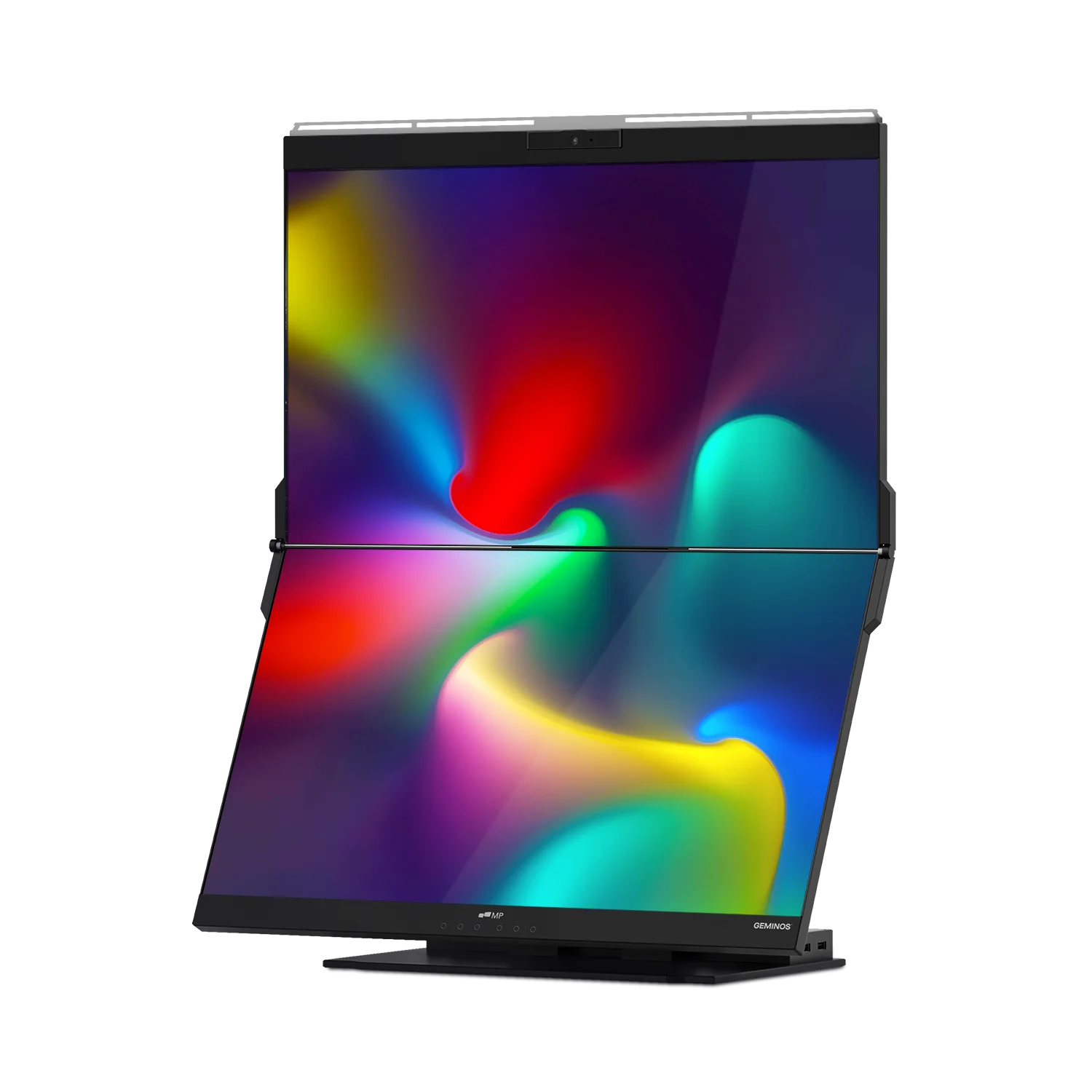
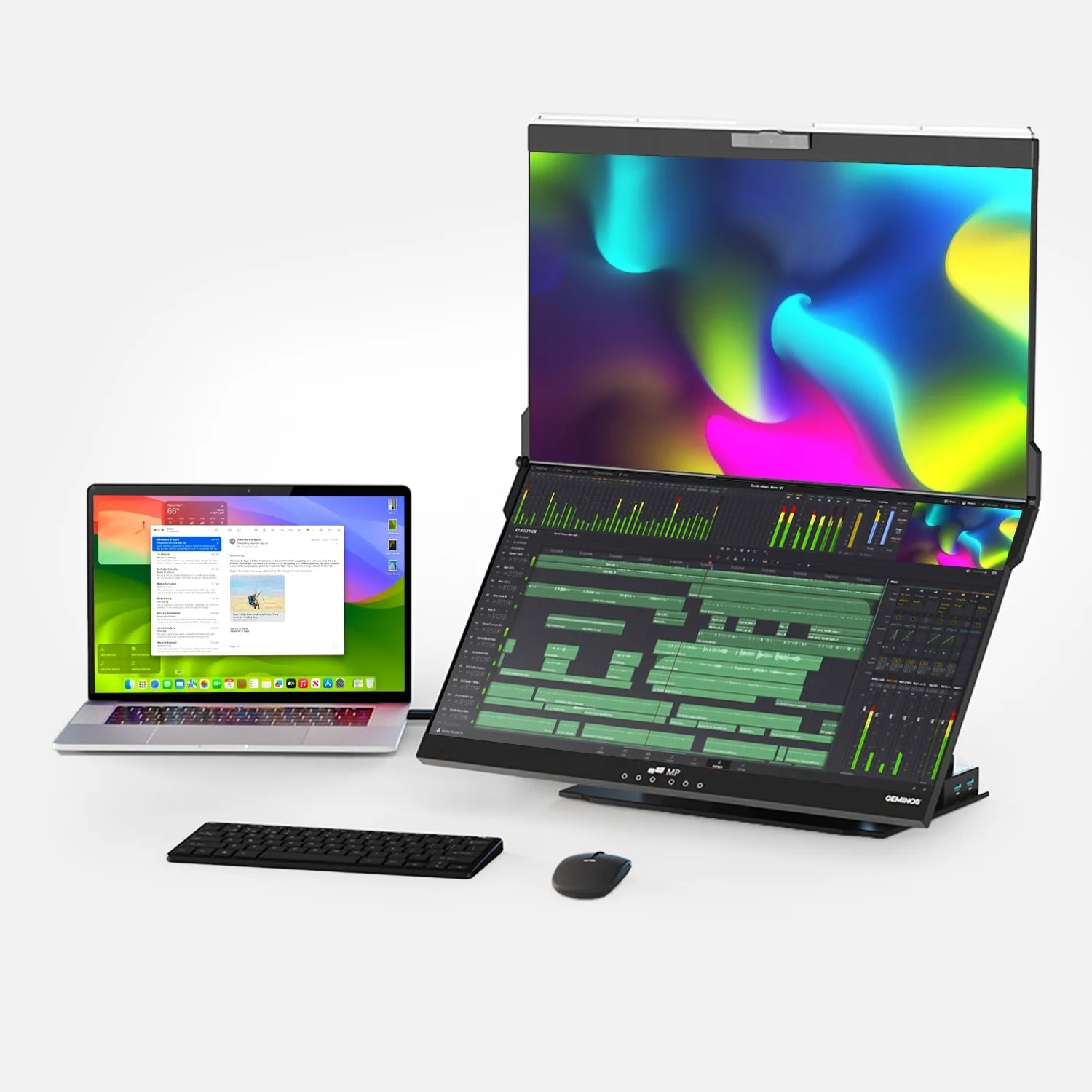
If you’re assessing high-performance displays and portable setups, see our guide on Mobile Pixels Monitors — where refresh rate specifications are clearly explained to help you choose the right screen for your workflow or gaming needs.
References & Further Reading
- Refresh Rate — https://en.wikipedia.org/wiki/Refresh_rate
- Motion Interpolation — https://en.wikipedia.org/wiki/Motion_interpolation
- What is Monitor Refresh Rate? (Samsung) — https://www.samsung.com/us/monitors/monitor-buying-guide/what-is-monitor-refresh-rate/
- Fake Refresh Rates & Motion Rate Marketing (RTINGS) — https://www.rtings.com/tv/learn/fake-refresh-rates-samsung-clear-motion-rate-vs-sony-motionflow-vs-lg-trumotion
Discover Tech Gadgets


Leave a comment
All comments are moderated before being published.
This site is protected by hCaptcha and the hCaptcha Privacy Policy and Terms of Service apply.